


Every composite door has a story behind it — how it’s built, how it ages, and what really happens to that thin gelcoat layer everyone assumes is indestructible. The Did You Know? section is where we pull back the curtain and share the small but powerful facts most homeowners never hear about.
From UV fade to resin fatigue to the myths around cleaning, these quick insights help you understand what’s happening to your door long before it shows visible wear — and how a little knowledge can save years of life on the surface.
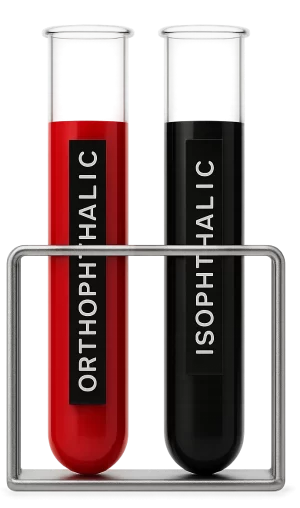
Not All Gelcoats Are the Same
There are many types of gelcoat, but isophthalic and orthophthalic are the most common.
Both are made from polyester resin — the same tough stuff used to build boats, sports cars, and aircraft parts.
Older composite doors often use orthophthalic gelcoats, which give great strength but can lose their shine faster in sunlight. Newer doors use isophthalic gelcoats, which are around 40% more resistant to UV and moisture, meaning they keep their colour for longer.
Every gelcoat, no matter the type, naturally loses its oils over time. Without protection, that glossy surface can dry, fade, and crack. Protect My Door™ treatment locks in flexibility and colour from day one.
The Gelcoat Is Thinner Than You Think
The shiny, coloured layer on your door isn’t thick at all — it’s usually only 0.3 millimetres deep. That’s about the thickness of three human hairs, yet it’s all that stands between your door and the elements.
This fine surface seals the fibreglass beneath, gives your door its smooth feel, and reflects UV light. But it’s also delicate — scrub too hard, use the wrong cleaner, or let it dry out, and you can strip away years of protection in seconds.
Our DoorPrep™, DoorTonic™, and DoorSpritz™ range is designed to clean and seal this micro-thin layer safely — no abrasion, no residue, just long-term protection.

Porch Doors Aren’t Safe Either
Think your door’s protected because it’s inside a porch? Think again.
Porch doors can go through 30–40°C temperature swings in a single day. That constant expansion and contraction dries out the gelcoat, dehydrates pigments, and creates tiny cracks that dull the finish over time.
Even without direct rain or sun, a porch door faces silent stress every day. Regular PMD treatments stop this cycle and keep the surface nourished and flexible — even in enclosed spaces.
9 Million Doors — Almost None Protected
Across the UK, there are over nine million composite doors already fitted — and nearly one million new ones are installed every year.
Yet fewer than 0.5% of them ever receive proper restoration or UV protection.
If every door were professionally treated just once every 18 months, the UK could prevent hundreds of thousands of early replacements and save over £1.2 billion in wasted materials over the next 20 years.
That’s enough composite saved to build 40,000 electric car shells or cover 1,500 football pitches in GRP.
A small PMD treatment can help protect your door — and the planet.

A New Door Look for Less Than a Coffee
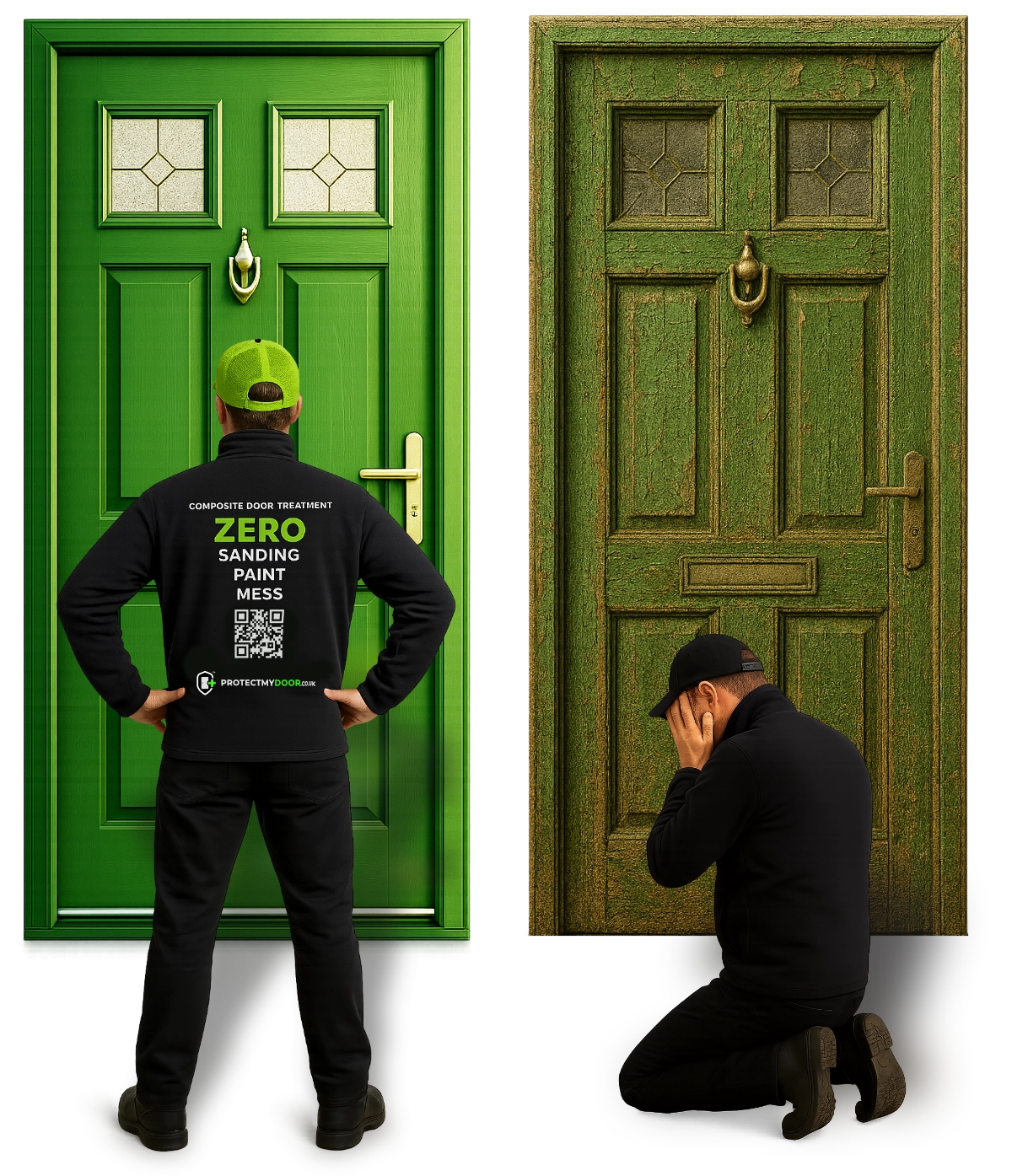
A full PMD treatment lasts around 12–18 months, working out at under £1 a week for a door that looks freshly fitted every day.
That small weekly cost restores colour, strengthens the surface, and adds a UV-resistant barrier that helps your door last 10–15 years longer.
It’s like getting a brand-new door — without the £1,200+ price tag.
How Gelcoats Are Made
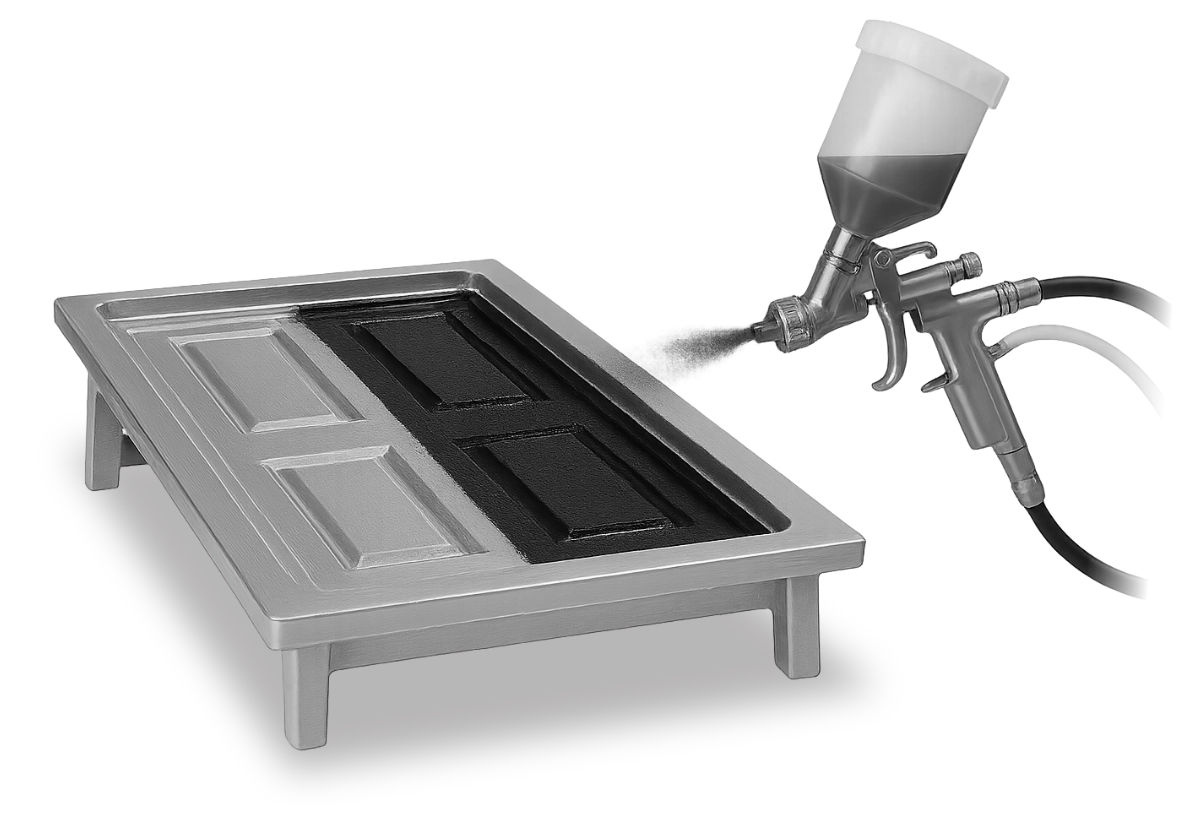
Every composite door starts life inside a precision mould. Before the fibreglass and resin are added, a liquid gelcoat is sprayed into the mould’s surface.
When cured, it chemically bonds to the structure, forming a single seamless skin — not paint, but part of the door itself.
That smooth finish is what makes composite doors so strong and weather-resistant, but it’s also what needs the right care to stay beautiful.
A PMD treatment keeps that factory-fresh skin flexible, glossy, and ready for decades of use.

The Best Time to Protect Your Door
The best time to treat a composite door is the day it’s fitted — but no installation company will ever tell you that.
Once the door is in place, its gelcoat starts facing sunlight, air, and moisture. Even if it still looks perfect, microscopic oxidation has already begun. Treating it early locks in that “brand-new” look and stops UV and weather from breaking down the surface.
Most installers simply clean the door before handing over the keys — they don’t seal or condition it. That’s because they rely on repeat business when doors start fading years later. Starting protection from day one means you may never need a replacement for cosmetic reasons.
First Impressions Count — More Than You Think
Your front door says more about your home than anything else on the outside.
It’s the first thing visitors and buyers notice — before the windows, before the garden, even before the paintwork. A faded or patchy door can subconsciously make a home feel tired, neglected, or unloved.
Estate studies have shown that kerb appeal alone can influence property value by up to 7%, and the front door plays a major part in that first impression. A single PMD treatment can instantly refresh colour, remove weathering, and make any home feel more inviting.
We’re working to partner with estate agents nationwide to help homeowners boost property appeal before listing — one door at a time.



© Copyright property of Protect My Door™


(1974–2025)
In Loving Memory of Michelle Bentley-Green
“Our time was brief, the struggle was real, but your smiles, love and laughter live on.”

With heartfelt thanks to Mary Stevens Hospice for their exceptional care, dignity, and compassion. Their support meant everything.
Please consider supporting their work … Click Here